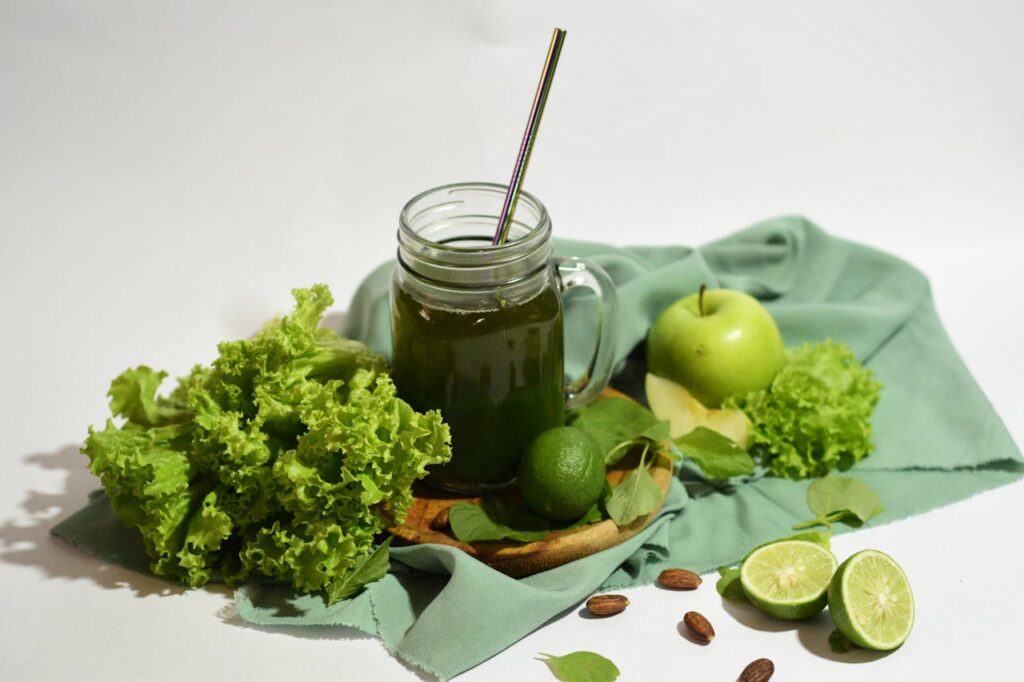

Many people experience bloating, stomach discomfort, constipation, or irregular digestion from time to time. These digestive issues are very common and can affect people of all ages. For some, the discomfort happens after eating too quickly or consuming heavy meals. Others may experience digestive problems because of stress, lack of exercise, dehydration, or poor eating habits. While occasional bloating is usually not serious, it can make daily life uncomfortable and affect confidence, energy levels, and overall wellbeing.
Digestive health plays an important role in the body’s overall function. A healthy digestive system helps the body absorb nutrients, remove waste, support the immune system, and maintain energy levels. When digestion is not functioning properly, the body may respond with symptoms such as gas, bloating, constipation, stomach cramps, or fatigue. Understanding the causes of digestive discomfort and learning how to improve gut health naturally can help many people feel healthier and more comfortable every day. Link
What Causes Bloating?
Bloating happens when the stomach or intestines become filled with gas or when digestion slows down. Some people describe bloating as a feeling of fullness, tightness, or swelling around the stomach area. In many cases, bloating is linked to everyday lifestyle habits.
Eating too quickly is one of the most common causes. When people eat fast, they often swallow extra air, which can increase gas in the digestive tract. Overeating can also place pressure on the digestive system, making it harder for the body to process food efficiently.
Certain foods may contribute to bloating as well. Very oily foods, processed meals, carbonated drinks, excess sugar, and high-salt foods can lead to water retention and digestive discomfort. Some people may also have sensitivities to dairy products, gluten, or other ingredients that trigger stomach irritation.
Another major factor is dehydration. Water helps the digestive system move food and waste through the body properly. Without enough water, digestion may slow down, increasing the chances of constipation and bloating.
Stress can also affect the digestive system. The gut and the brain are closely connected, which is why emotional stress often influences digestion. Anxiety and stress may lead to stomach cramps, changes in bowel movements, or increased digestive discomfort. Link
The Importance of Fibre
Fibre is one of the most important nutrients for digestive health. It helps support regular bowel movements, promotes healthy digestion, and may help prevent constipation. Many people do not consume enough fibre in their daily diets, especially when eating large amounts of processed or fast foods.
Foods rich in fibre include:
- Vegetables
- Fruits
- Beans and lentils
- Oats
- Brown rice
- Whole grains
- Nuts and seeds
Adding more fibre gradually can help improve digestion naturally. However, it is important to increase water intake at the same time because fibre works best when combined with proper hydration.
Fresh fruits such as apples, pears, berries, and oranges contain natural fibre that supports digestion. Vegetables like spinach, broccoli, carrots, and cabbage are also excellent choices for improving gut health. Whole grains provide longer-lasting energy while helping the digestive system function more effectively. Link
Why Water Matters
Water is essential for nearly every process in the body, including digestion. Drinking enough water helps break down food, absorb nutrients, and remove waste from the body. Many people underestimate the importance of hydration when trying to improve digestive health.
When the body becomes dehydrated, digestion may slow down, causing constipation and discomfort. Drinking enough water throughout the day can help maintain regular bowel movements and reduce feelings of heaviness after meals.
Health experts often encourage people to drink water consistently rather than waiting until they feel thirsty. Water intake needs vary depending on climate, physical activity, and individual health conditions, but making hydration a daily habit is one of the simplest ways to support digestive wellness.
Replacing sugary drinks with water can also reduce excess sugar intake while supporting better overall health. Link
Exercise and Digestion
Physical activity plays a major role in maintaining a healthy digestive system. Exercise helps stimulate movement in the intestines, making it easier for food and waste to move through the body.
A simple daily walk after meals may help reduce bloating and improve digestion. Regular movement also supports weight management, blood circulation, and stress reduction, all of which contribute to better digestive health.
People do not necessarily need intense workouts to improve digestion. Activities such as walking, stretching, cycling, dancing, or light jogging can all support the body’s natural digestive processes.
A sedentary lifestyle, on the other hand, may slow digestion and increase the risk of constipation and bloating. Spending long hours sitting without movement can affect circulation and gut function over time.
The Connection Between Stress and Gut Health
Modern lifestyles can be stressful, and stress often affects the digestive system directly. The gut contains millions of nerves and communicates closely with the brain. Because of this connection, emotional stress can influence digestion in powerful ways.
Some people experience stomach pain, nausea, diarrhoea, or constipation during stressful periods. Others may notice increased bloating or discomfort after emotionally difficult situations.
Managing stress may improve both mental wellbeing and digestive health. Helpful stress management techniques include:
- Deep breathing exercises
- Daily walking
- Prayer or meditation
- Spending time outdoors
- Getting enough sleep
- Reducing excessive screen time
- Maintaining healthy social relationships
Sleep is especially important because the body repairs itself during rest. Poor sleep habits may negatively affect digestion, energy levels, and hormone balance. Link
Understanding Digestive Support Supplements
Alongside healthy lifestyle habits, some people explore digestive support supplements to help improve gut comfort and bowel regularity. These products are widely marketed for digestive wellness and often contain plant-based ingredients associated with digestive support.
Products such as BellyFlush are promoted as digestive wellness supplements designed to support gut comfort, reduce bloating, and encourage regular bowel movements. Public product descriptions mention ingredients such as aloe vera, senna, triphala, fennel, and probiotics, ingredients that are commonly associated with digestive support.
Aloe Vera
Aloe vera is often used in wellness products because of its soothing properties. Some people believe it may help support digestion and gut comfort when used appropriately.
Senna
Senna is a natural plant ingredient commonly associated with short-term digestive support and bowel movement stimulation. Because it may have strong effects, it should be used carefully and according to product guidelines.
Triphala
Triphala is a traditional herbal blend used in some wellness practices to support digestion and overall gut health.
Fennel
Fennel has long been associated with reducing gas and digestive discomfort. Some people drink fennel tea after meals to help reduce bloating.
Probiotics
Probiotics are beneficial bacteria that support gut balance. The digestive system naturally contains billions of bacteria, some beneficial and some harmful. Maintaining a healthy balance may help improve digestion and support immune function. Link
Important Safety Considerations
Although digestive supplements are popular, they should never replace healthy eating habits, water intake, physical activity, or professional medical advice. Supplements may affect people differently depending on their age, medical conditions, or medications.
Anyone who is pregnant, breastfeeding, taking prescription medication, or managing a health condition should consult a healthcare professional before using any digestive supplement.
People should also avoid expecting overnight results. Improving digestive health often requires consistency and patience. Healthy habits usually produce better long-term results than relying only on quick fixes.
Building Better Daily Habits
Improving digestion often begins with small lifestyle changes that become daily habits over time. Some practical steps include:
- Eating meals slowly
- Avoiding overeating
- Drinking more water
- Including more fruits and vegetables
- Exercising regularly
- Reducing processed foods
- Managing stress
- Sleeping well
Keeping a food journal may also help identify foods that trigger digestive discomfort. Some people discover that certain foods affect them differently, making it easier to make healthier choices.
Consistency is important. Healthy habits practiced daily can support long-term digestive wellness and improve overall quality of life.
When to See a Doctor
Occasional bloating is common, but severe or ongoing digestive symptoms should not be ignored. People should seek medical attention if they experience:
- Persistent stomach pain
- Blood in stool
- Unexplained weight loss
- Severe constipation
- Ongoing diarrhoea
- Difficulty swallowing
- Extreme fatigue
These symptoms may indicate underlying medical conditions that require professional evaluation and treatment.
Final Thoughts
Digestive health is an important part of overall wellness. Many common digestive issues, including bloating and constipation, may improve through better lifestyle habits such as healthy eating, hydration, exercise, stress management, and adequate sleep.
Natural digestive support supplements are also widely available and may provide additional support for some people when used responsibly. However, they should always be viewed as part of a broader wellness routine rather than a replacement for healthy living.
The body often responds positively to small daily improvements. Eating nutritious foods, drinking enough water, moving regularly, and caring for mental wellbeing can all contribute to a healthier digestive system and a better quality of life. Link
Affiliate disclosure: This article may contain affiliate links. If you buy through our link, we may earn a commission at no extra cost to you.