
Men Over 40: Why Prostate Wellness Should Become Part of Your Health Routine link
Disclosure: This article may contain affiliate links. If you purchase through our links, Legit Business Networks may earn a commission at no extra cost to you.
Many men only start thinking seriously about prostate health when they begin experiencing changes in their daily routine. It may start with waking up more often at night to urinate, feeling that the bladder is not fully empty, needing to rush to the bathroom, or noticing that the urine stream is weaker than before. For some men, these changes are ignored for years because they are assumed to be “normal ageing.”

While it is true that prostate changes become more common as men get older, ignoring symptoms is not a wise approach. The prostate is a small gland located below the bladder, and it can affect urinary comfort when it enlarges or becomes irritated. According to the National Institute of Diabetes and Digestive and Kidney Diseases, benign prostatic hyperplasia, commonly called BPH or enlarged prostate, may cause trouble starting a urine stream or emptying the bladder, and urgent or frequent urination may require medical attention when painful or associated with fever, chills, blood, or severe discomfort.
The purpose of this article is not to create fear. It is to encourage men to become more proactive. Prostate wellness is not only about reacting when problems are serious. It is about building daily habits that support comfort, confidence, sleep, and overall male wellness.
One of the first signs many men notice is disturbed sleep. Waking once in a while to urinate may not be unusual, especially after drinking fluids late at night. But when waking up several times becomes a regular pattern, it can affect rest, energy, focus, and mood. Poor sleep can also reduce productivity during the day. Over time, this may quietly affect work, relationships, and general quality of life. Link
Another common concern is urinary flow. Some men may notice hesitancy, where it takes longer to start urinating. Others may experience a weaker stream, stopping and starting, or the feeling that the bladder has not emptied completely. The NHS lists these as common symptoms of an enlarged prostate, including difficulty starting to urinate, weak flow, dribbling, and needing to urinate more often or urgently, including at night.
For men in business, leadership, transport, mining, construction, teaching, or sales, these small changes can become inconvenient. Long meetings, travel, site visits, and public events can become stressful when a man is constantly thinking about where the nearest bathroom is. That is why prostate wellness should not be treated as a private embarrassment. It should be treated as a normal part of men’s health.
The first step is lifestyle. A healthy routine can support the body in many ways. Regular movement, weight management, drinking water responsibly, reducing excessive alcohol, and eating balanced meals may all contribute to better wellness. Mayo Clinic notes that healthy habits such as regular exercise, watching the waistline, eating vegetables and fruits, and limiting saturated fats may help people with enlarged prostate symptoms and also support wider health areas such as erectile dysfunction, diabetes, and heart disease risk.

Diet is also important. Men should not only think about meat, starch, and heavy meals. A prostate-friendly lifestyle can include vegetables, fruits, whole grains, healthy fats, seeds, and foods rich in antioxidants. Tomatoes, pumpkin seeds, leafy greens, citrus fruits, fish, nuts, and legumes are often discussed in men’s wellness conversations because they provide nutrients that support general health.
Hydration should also be handled wisely. Drinking too little water can irritate the urinary system, but drinking too much just before bedtime can increase nighttime bathroom trips. A practical routine is to drink water consistently during the day, then reduce heavy fluid intake later in the evening, especially if nighttime urination is becoming a problem.
Stress management matters too. Men often carry financial, family, work, and business pressure without speaking about it. Stress can affect sleep, hormones, appetite, energy, and daily discipline. Simple habits such as walking, stretching, prayer or meditation, better sleep scheduling, and reducing late-night screen time may help improve overall wellness.
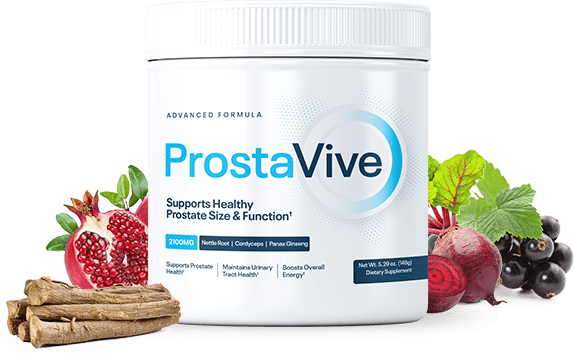
Alongside lifestyle habits, some men consider wellness supplements. One product in this category is ProstaVive, which is marketed as a prostate-support supplement for men. Public ProstaVive pages describe it as a dietary supplement formulated to support prostate health, urinary comfort, and overall male wellness. Some product information lists ingredients such as boron, tongkat ali, ashwagandha, fenugreek, Panax ginseng, maca root, artichoke extract, and nettle root. Link
This type of product should be understood correctly. A supplement is not a replacement for medical advice, diagnosis, or treatment. It should not be presented as a cure for prostate disease, urinary disease, cancer, infection, or any medical condition. Instead, it may be considered by adult men who are already working on their health and want additional wellness support.
Before using any prostate supplement, a man should read the label carefully, understand the ingredients, check the official offer terms, and consult a healthcare professional where necessary. This is especially important for men who are taking medication, have high blood pressure, diabetes, kidney problems, liver problems, prostate disease, urinary symptoms, or any diagnosed medical condition.

It is also important to know when to seek medical attention. If a man cannot urinate, has blood in the urine, has severe pain, fever, chills, or sudden worsening symptoms, he should not rely on supplements or online information. He should seek professional medical care urgently.
For men over 40, the best approach is simple: do not wait until the problem becomes serious. Pay attention to your body. Track your sleep. Notice urinary changes. Improve lifestyle habits. Go for medical check-ups. Consider supportive products only where appropriate. Speak openly and responsibly about men’s health.
Prostate wellness is not a sign of weakness. It is part of responsible ageing. A man who takes care of his health is better positioned to lead his family, manage his work, enjoy life, and remain active for longer.
Suggested Product Mention:
For men interested in learning more about a prostate-support supplement, ProstaVive is one option marketed for prostate wellness and urinary comfort support.
CTA:
Learn more about ProstaVive here: link
Wellness Note: This article is for general information only and should not replace professional medical advice. Supplements mentioned are not intended to diagnose, treat, cure, or prevent any disease.