
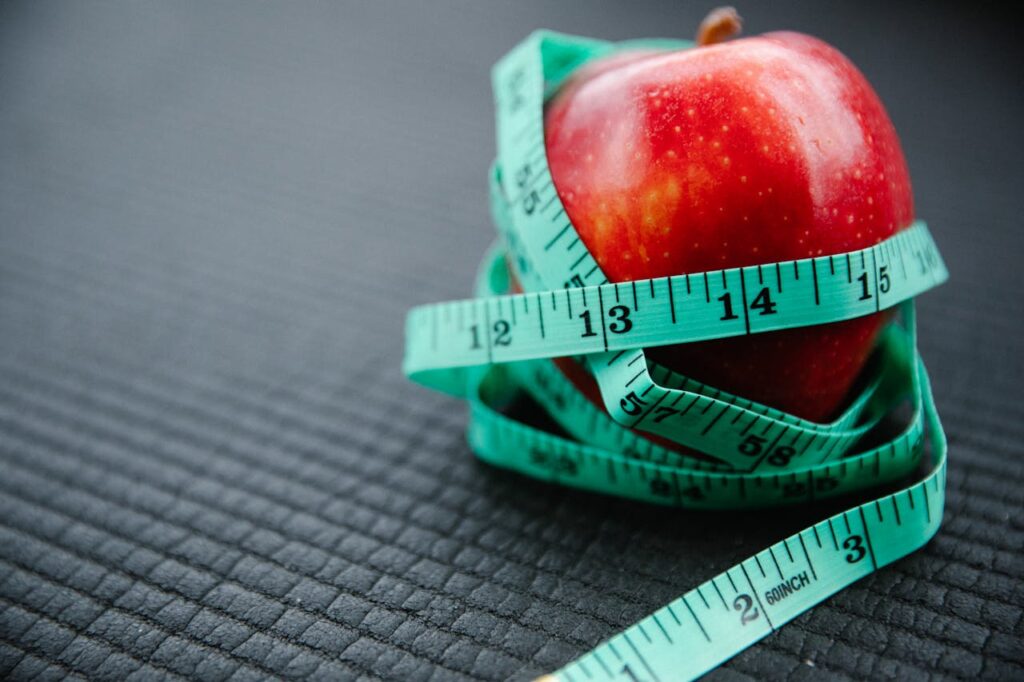
Introduction
In a world full of quick fixes and fad diets, sustainable weight loss remains one of the most misunderstood health goals. True weight management is not about extreme restrictions—it’s about creating habits that support long-term health and consistency.
What Is Sustainable Weight Loss?
Sustainable weight loss focuses on gradual, consistent progress through balanced nutrition, regular physical activity, and lifestyle changes. Instead of chasing rapid results, it prioritises maintaining a healthy weight over time.
Key Principles for Success
- Balanced Nutrition: Focus on whole foods—vegetables, fruits, lean proteins, and whole grains.
- Portion Control: Eating the right amount is just as important as eating the right foods.
- Regular Exercise: Combine cardio and strength training for best results.
- Consistency Over Perfection: Small daily improvements lead to lasting outcomes.
Common Mistakes to Avoid
- Skipping meals
- Over-restricting calories
- Relying on supplements alone
- Ignoring mental and emotional health
How to Manage It Effectively
- Set realistic goals
- Track progress (not just weight, but energy and fitness levels)
- Stay hydrated
- Get enough sleep
Conclusion
Sustainable weight loss is a journey, not a race. By focusing on healthy habits, you create a lifestyle that supports both your body and your long-term wellbeing.
2. Understanding Stroke: Early Warning Signs and Prevention Strategies
Introduction
A stroke can happen suddenly, but in many cases, it is preventable. Understanding the warning signs and taking proactive steps can save lives.
What Is a Stroke?
A stroke occurs when blood flow to the brain is interrupted, either by a blockage or a burst blood vessel. This deprives brain cells of oxygen and can lead to serious damage.
Early Warning Signs (Act FAST)
- Face drooping
- Arm weakness
- Speech difficulty
- Time to seek medical help immediately
Risk Factors
- High blood pressure
- Smoking
- Diabetes
- High cholesterol
- Lack of physical activity
Prevention Strategies
- Maintain a healthy diet
- Exercise regularly
- Monitor blood pressure
- Avoid smoking and excessive alcohol
- Manage stress effectively
Recovery and Support
Recovery from a stroke varies, but early treatment and rehabilitation improve outcomes significantly. Support from family, healthcare providers, and community resources is crucial.
Conclusion
Prevention is always better than cure. By understanding the risks and acting early, you can significantly reduce the chances of stroke.
3. Strengthening Your Immune System Naturally: What Really Works
Introduction
Your immune system is your body’s natural defence against illness. Strengthening it doesn’t require complicated solutions—simple daily habits can make a powerful difference.
What Is the Immune System?
It is a complex network of cells, tissues, and organs that work together to protect the body from harmful invaders like bacteria and viruses.
Natural Ways to Boost Immunity
- Healthy Diet: Include fruits, vegetables, nuts, and seeds
- Regular Exercise: Keeps the immune system active
- Adequate Sleep: Essential for recovery and repair
- Hydration: Supports all bodily functions
- Stress Management: Chronic stress weakens immunity
Nutrients That Matter
- Vitamin C
- Vitamin D
- Zinc
- Antioxidants
What to Avoid
- Excess sugar
- Processed foods
- Lack of sleep
- Sedentary lifestyle
Conclusion
A strong immune system is built daily through consistent, healthy choices. Small changes can lead to powerful protection. Here is the highly recommended weight loss combo.