Blood pressure is one of the most important indicators of overall health, yet many people do not fully understand what it is, how it works, or why it matters. Often referred to as the “silent killer,” high blood pressure (hypertension) can quietly damage the body for years before any noticeable symptoms appear. This article provides a comprehensive overview of blood pressure—what it is, what causes it, its risks, and how it can be managed and prevented.
What Is Blood Pressure?
Blood pressure is the force exerted by circulating blood against the walls of the arteries. It is measured using two numbers:
-
- Systolic pressure: The pressure when the heart beats and pumps blood
-
- Diastolic pressure: The pressure when the heart rests between beats
A normal blood pressure reading is generally around 120/80 mmHg. Readings consistently above this range may indicate hypertension.
According to the World Health Organization, hypertension is defined as blood pressure of 140/90 mmHg or higher and is one of the leading causes of serious health complications worldwide.
Why Blood Pressure Matters
Blood pressure is crucial because it determines how effectively blood circulates throughout the body. When blood pressure is too high, it forces the heart to work harder and damages blood vessels over time.
If left untreated, high blood pressure can lead to:
-
- Heart attack
-
- Stroke
-
- Kidney disease
-
- Vision loss
-
- Dementia
These complications occur because prolonged pressure damages vital organs such as the heart, brain, and kidneys.
Types of Blood Pressure Conditions
There are two main types of hypertension:
1. Primary (Essential) Hypertension
This is the most common type and develops gradually over time. It has no single identifiable cause but is linked to genetics and lifestyle factors.
2. Secondary Hypertension
This type is caused by an underlying condition such as kidney disease, hormonal disorders, or certain medications. It tends to appear suddenly and can be more severe.
Causes and Risk Factors
High blood pressure does not usually have a single cause. Instead, it results from a combination of factors:
Lifestyle Factors
-
- Poor diet (especially high salt intake)
-
- Lack of physical activity
-
- Smoking
-
- Excessive alcohol consumption
-
- Being overweight or obese
Biological Factors
-
- Age (risk increases as you get older)
-
- Family history (genetics)
-
- Certain health conditions (e.g., diabetes)
Environmental and Psychological Factors
-
- Chronic stress
-
- Anxiety or depression
-
- Socioeconomic conditions
Many of these factors are preventable or manageable, making lifestyle choices critical in controlling blood pressure.
Symptoms: Why It’s Called the “Silent Killer”
One of the most dangerous aspects of high blood pressure is that it often has no noticeable symptoms. Many people live with hypertension for years without knowing it.
In rare cases, symptoms may include:
-
- Headaches
-
- Dizziness
-
- Blurred vision
-
- Chest pain
However, these symptoms usually appear only when the condition has already caused significant damage.
How Blood Pressure Is Diagnosed
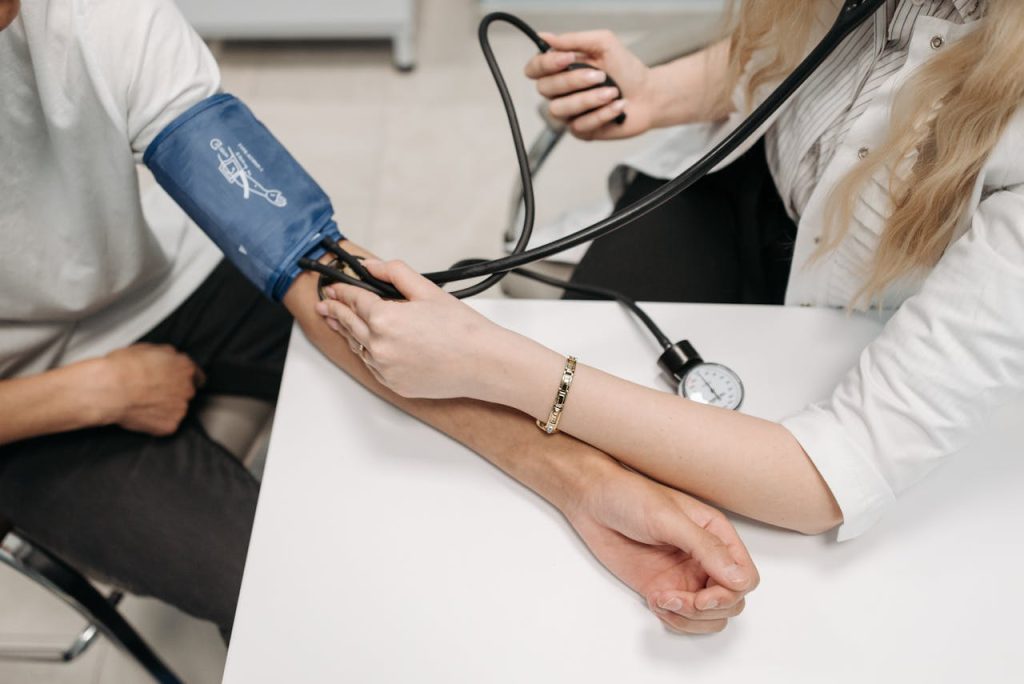
The only way to know if you have high blood pressure is to measure it using a blood pressure monitor. Healthcare providers may take multiple readings over time to confirm a diagnosis.
Blood pressure categories generally include:
-
- Normal: Below 120/80 mmHg
-
- Elevated: 120–129 / below 80 mmHg
-
- Stage 1 Hypertension: 130–139 / 80–89 mmHg
-
- Stage 2 Hypertension: 140/90 mmHg or higher
Regular monitoring is essential because blood pressure can fluctuate throughout the day.
Complications of High Blood Pressure
If left untreated, hypertension can lead to severe and sometimes life-threatening complications, including:
Cardiovascular Problems
-
- Heart attack
-
- Heart failure
-
- Atherosclerosis (narrowed arteries)
Brain-Related Issues
-
- Stroke
-
- Cognitive decline or dementia
Kidney Damage
-
- Chronic kidney disease
-
- Kidney failure
Eye Damage
-
- Vision loss
These complications occur gradually, often without warning, which is why early detection is critical.
Prevention: How to Maintain Healthy Blood Pressure
The good news is that high blood pressure is largely preventable. Adopting a healthy lifestyle can significantly reduce your risk.
1. Eat a Balanced Diet
Focus on:
-
- Fruits and vegetables
-
- Whole grains
-
- Low-fat dairy
-
- Reduced salt intake
2. Exercise Regularly
Aim for at least 150 minutes of moderate exercise per week.
3. Maintain a Healthy Weight
Losing even a small amount of weight can help lower blood pressure.
4. Limit Alcohol and Avoid Smoking
Both can raise blood pressure and damage blood vessels.
5. Manage Stress
Practice relaxation techniques such as meditation, deep breathing, or yoga.
6. Monitor Your Blood Pressure
Regular checks can help detect problems early.
Healthy lifestyle choices are one of the most effective ways to prevent hypertension.
Treatment Options
If diagnosed with high blood pressure, treatment may include:
Lifestyle Changes
-
- Improved diet
-
- Increased physical activity
-
- Weight loss
Medication
Doctors may prescribe medications such as:
-
- Diuretics
-
- ACE inhibitors
-
- Beta-blockers
Treatment plans vary depending on the individual and the severity of the condition. The goal is to reduce blood pressure and prevent complications.
Blood Pressure in Africa: A Growing Concern
Hypertension is a major public health issue across Africa. Rapid urbanization, lifestyle changes, and limited access to healthcare contribute to rising cases. Many people remain undiagnosed due to lack of routine screening.
This makes awareness, education, and preventive care even more important—especially for communities and organizations focused on health and wellness.
The Role of Awareness and Education
Education plays a vital role in combating hypertension. Many people are unaware of:
-
- What normal blood pressure is
-
- The risks associated with high blood pressure
-
- The importance of regular screening
Community programs, workplace wellness initiatives, and online platforms like legitbusinessnetworks.com can help spread awareness and encourage healthier lifestyles.
Conclusion
Blood pressure is a vital sign that reflects the health of your heart and blood vessels. While high blood pressure is common, it is also preventable and manageable. The key lies in awareness, regular monitoring, and making healthy lifestyle choices.
Hypertension may be silent, but its consequences are loud and severe. By taking proactive steps today—eating well, exercising, managing stress, and checking your blood pressure—you can protect your health and improve your quality of life.
Call to Action
At legitbusinessnetworks.com, we believe that health is wealth. Take control of your well-being today:
-
- Get your blood pressure checked regularly
-
- Encourage family and friends to do the same
-
- Invest in a healthier lifestyle
Because a healthier life is the foundation of every successful journey. Here is a highly recommended combo for blood pressure.